
Preparing Your Boiler & Heating for Winter

As temperatures drop, your boiler and central heating system work much harder to keep your home warm and your hot water running reliably. The winter months are when hidden issues often surface; cold radiators, low pressure, noisy pipes, or, in the worst cases, complete boiler breakdowns.
Preparing your system early helps prevent costly emergencies, improves energy efficiency, and keeps your home comfortable when the cold weather arrives. Here’s a practical guide to getting winter-ready, with expert advice from Plumb Rite.
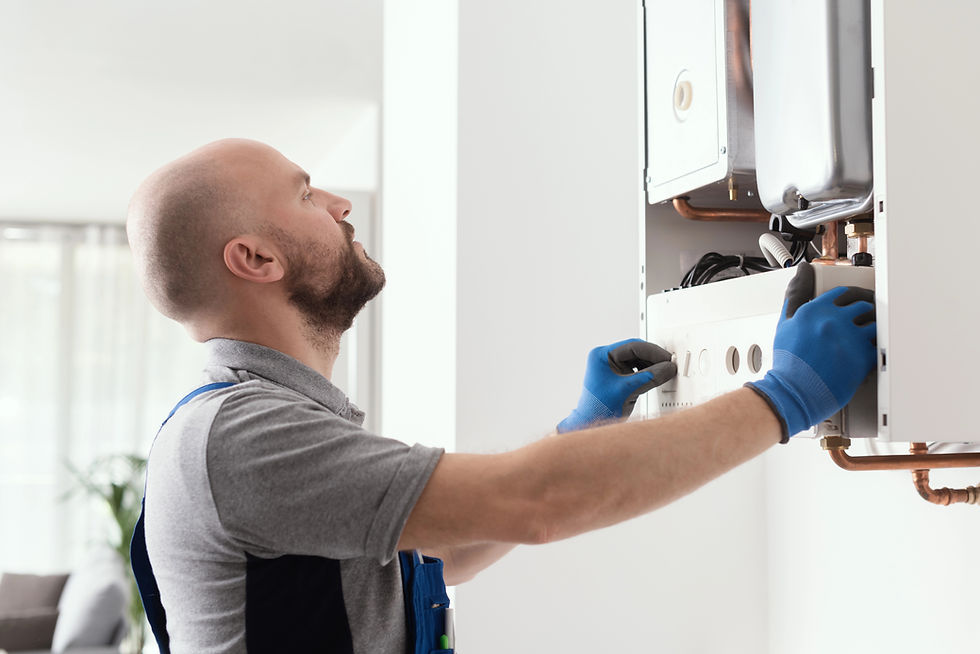
1. Book a Professional Boiler Service
A boiler service is one of the most effective ways to avoid winter breakdowns. An engineer checks key components, clears out debris, tests performance, and identifies faults before they turn into bigger problems.
Why it matters:
Ensures safe operation
Improves efficiency (lower energy bills)
Extends lifespan
Reduces the risk of winter failure
If you haven’t had your boiler serviced in the last 12 months, now is the perfect time. Visit our services page to book your boiler service in the Black Country.
2. Check Your Boiler Pressure
Boiler pressure naturally fluctuates, but preparing for winter means making sure it sits within the correct range.
Ideal pressure:
Cold: 1.0–1.5 bar
Hot: Up to 2.0 bar
If it’s too low or too high, your heating may be less effective or your boiler may switch off completely. A simple pressure check takes seconds and can save a lot of frustration later.
3. Bleed Your Radiators
Cold spots or slow-to-warm radiators often indicate trapped air. Bleeding your radiators ensures the heat circulates evenly around your home.
Signs a radiator needs bleeding:
Cold at the top, warm at the bottom
Gurgling or bubbling noises
Heating feels inconsistent
This small job helps your boiler run more efficiently, reducing strain during winter.
4. Test Your Heating Before It Gets Cold
Many people wait until the first icy day to switch on their heating, and that’s often when they discover a fault.
Turn your heating on for 10–15 minutes during autumn to check:
All radiators heat up
The boiler starts without issues
There are no unusual noises
The pressure behaves normally
Catching issues early helps avoid emergency call-outs during peak winter demand.
5. Insulate Pipes to Prevent Freezing
Frozen pipes can cause major disruption. When water expands as it freezes, it can lead to burst pipes, leaks, and a complete boiler shutdown.
Key areas to insulate:
Condensate pipe
Loft water pipes
Garage or outdoor pipes
Exposed pipework near external walls
Pipe insulation is low-cost but can save hundreds of pounds in repairs.
6. Check for Leaks Around Your System
Even small leaks can reduce boiler pressure and strain your heating system. Look for signs such as:
Damp patches or staining near radiators
Dripping pipes
Rust marks
Water around the boiler base
If you spot anything unusual, it’s best to have an engineer take a look before winter sets in.
7. Make Sure Your Thermostat Is Working Properly
Your thermostat controls how efficiently your heating performs.
Quick checks:
Does it respond quickly?
Are the readings consistent?
Is it placed away from draughts or heat sources?
If you’re still using an old-style thermostat, upgrading to a smart or programmable model could improve comfort and reduce winter heating bills.
8. Bleed or Top-Up Hot Water Cylinders (If You Have One)
Homes with traditional vented systems or hot water cylinders should ensure:
The header tank has adequate water
Pipes are insulated
The thermostat on the cylinder is set around 60°C to prevent bacteria growth
Modern unvented cylinders should be inspected annually for safety and efficiency.
9. Clear the Area Around Your Boiler
Boilers need good airflow. During winter prep:
Remove clutter
Keep vents unblocked
Ensure nothing is stored too close to the boiler
Good ventilation supports efficient burning and helps prevent overheating.
10. Know the Warning Signs of a Struggling Boiler
Early symptoms often appear before a boiler fails completely.
Keep an eye out for:
Frequent pressure drops
New noises (whistling, banging, gurgling)
Radiators not warming fully
Unusual smells
Error codes
Intermittent hot water
If something feels off, getting it checked promptly can prevent a winter breakdown.
Get Winter-Ready with Plumb Rite
Preparing your boiler and heating system for winter doesn’t have to be complicated, and it makes a huge difference to comfort, safety, and energy efficiency.
Plumb Rite can help with:
Boiler servicing
Central heating checks
Repairs and part replacement
Radiator maintenance
Emergency call-outs
Winter-readiness inspections
A warm, reliable home starts with a well-prepared heating system.
Contact Paul and get your heating system winter ready today. Plumb Rite serves Kingswinford and the surrounding areas of the Black Country.
Frequently Asked Questions: Preparing Your Boiler & Heating for Winter
1. How early should I prepare my heating for winter?
Ideally, start checking your boiler and radiators in early autumn. This gives you enough time to spot problems before colder weather puts extra pressure on your system.
2. Should I service my boiler every year?
Yes. An annual boiler service helps keep it running safely, reduces breakdowns, improves efficiency, and can protect your warranty.
3. Why do my radiators have cold spots?
Cold spots usually mean trapped air. Bleeding your radiators helps heat distribute evenly and reduces strain on your boiler.
4. What should my boiler pressure be in winter?
Most boilers should sit between 1.0–1.5 bar when cold and up to 2.0 bar when hot. If your pressure keeps dropping or rising, an engineer should take a look.
5. How do I stop my pipes from freezing?
Insulate exposed pipes, especially in lofts, garages, and outdoors. If temperatures drop suddenly, leaving the heating on low overnight also helps prevent freezing.
6. What causes a boiler to stop working in cold weather?
The most common winter issue is a frozen condensate pipe, but low pressure, faulty thermostats, or air in the system can also cause boiler shutdowns.
7. Do I need to bleed radiators every year?
Not always, but it’s common for air to build up over months. Bleed any radiators that feel cool at the top or noisy, especially before winter.
8. How do I improve boiler efficiency in winter?
Bleed radiators
Insulate pipes
Use a smart thermostat
Keep the boiler and surrounding area clean and ventilated
These small steps help your system run more efficiently and cost-effectively.


Comments